Discard or isolate
Directly contaminated food, badly damaged porous goods, and nest material may require disposal under appropriate guidance.
A torn bag in the garage, droppings in holiday decorations, or gnaw marks near a utility line is more than a mess. It can show exactly where rodents found food, cover, or a way inside.
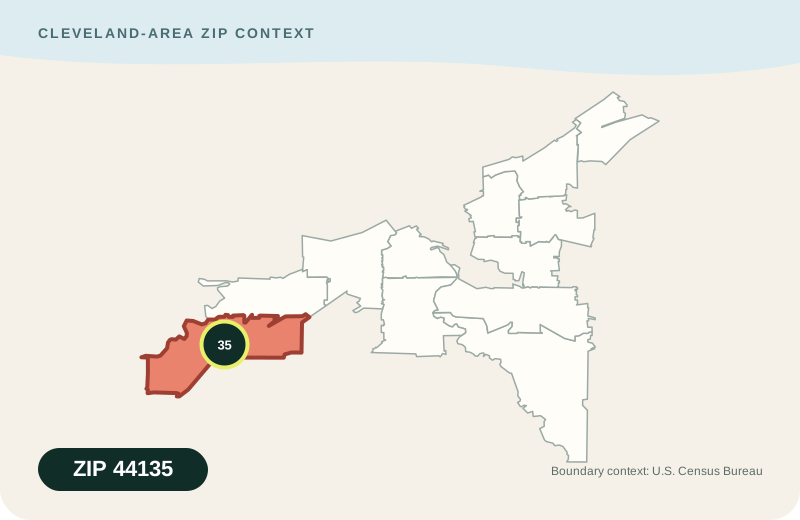
From there, tell us where the signs collect: garage door, utility room, storage shelves, basement wall, or inside the house.
Before cleaning everything up, take a quick photo. The exact spot often tells us more than the amount of damage.
Those categories overlap, but they are not identical. Droppings on a washable surface present a different decision from urine-soaked insulation, a chewed wire, a damaged food package, or an active nest in stored fabric.
Before clearing an entire garage or storage room, photograph evidence in place and note which wall, door, shelf, utility, or ceiling edge is closest. Avoid dry sweeping or vacuuming droppings, and keep people and pets away from contaminated zones while appropriate cleanup steps are selected.
Review damage and contamination categoriesDirectly contaminated food, badly damaged porous goods, and nest material may require disposal under appropriate guidance.
Chewed wiring, flexible lines, doors, structural materials, and major building defects belong with the relevant qualified trade.
Fresh droppings, tracks, gnawing, and repeat sounds show where active removal and route monitoring should concentrate.
Homes and small properties in 44135 may include attached or detached garages, driveways, sheds, utility rooms, finished and unfinished lower areas, additions, and storage that changes with the season. Unlike the dense-residential emphasis of 44109 and 44111, this page focuses on the operational gap between vehicle or storage space and routinely occupied rooms.
Overhead doors move, side doors shift, bins are rearranged, and utility openings are often partly hidden. Pet food, grass seed, bird seed, pantry overflow, paper, fabric, and cardboard may provide food or nesting material. A garage can support activity without proving that rodents reached the residence, but any shared wall, ceiling, utility, or doorway should be checked.
Cleveland weather can affect thresholds, masonry, trim, and seals. Seasonal storage can also cover the same perimeter that needs inspection. The practical response creates access to evidence, handles contamination safely, and corrects the route that the evidence actually supports.
Overhead-door corners, bottom seals, tracks, side doors, thresholds, and frame alignment are checked under normal closed conditions.
Droppings, gnawing, nesting, tracks in dust, and damaged goods are mapped before shelves or bins are widely moved.
Pipes, conduits, drains, wall penetrations, ceiling voids, and doors toward the home are compared with indoor signs.
Vegetation, waste, stored materials, water, foundation edges, and adjoining structures can explain pressure at the garage.
Contamination, active control, door work, electrical concerns, and building repairs are assigned to the appropriate scope.
Larger droppings, rub marks, substantial gnawing, burrows, or repeated activity near waste and exterior cover can support a rat-focused response. Openings and control placement must fit the animal’s scale and behavior.
Review basement and garage rat control →Fine package damage, small pellets, shredded fabric or paper, and evidence inside bins or cabinets can indicate mice. Several nest pockets may exist along a larger wall or utility route.
Learn how mouse nests are assessed →Overhead and side doors need durable components that continue to close through normal use. Fixed penetrations require materials compatible with the surrounding wall and service. Vents, drains, and moisture-management details must remain functional. Major door, electrical, structural, masonry, or roofing defects may require the appropriate trade.
Active control should guide the sequence. Closing the garage’s suspected primary route while animals remain inside can shift activity toward storage or the residence. After repair, monitor door corners, the original evidence zone, and any shared wall or utility path.
Storage improvements help maintain that monitoring: leave a visible edge where practical, protect attractive materials in suitable containers, inspect seasonal goods before moving them indoors, and document fresh damage instead of repeatedly resetting the room.
Plan garage and building proofingNo. The garage can be a separate activity zone. Inspect shared walls, doors, utilities, and evidence inside the home before claiming a connection.
Create safe access where practical, but photograph droppings, tracks, nests, and damage before widespread movement. The pattern can help identify travel.
Yes, especially at worn corners or an uneven threshold. The closed door, tracks, seals, frame, and nearby interior evidence should all be checked.
Keep people and pets from the damaged product, follow manufacturer or public-health disposal guidance, clean appropriately, and move replacement food to a suitable sealed container.
A qualified electrical professional should evaluate suspected wiring damage. Keep away from unsafe areas and do not treat pest control as electrical repair.
Moving items can expose old evidence or disturb an active hiding place. Document what is uncovered, then monitor for new accumulation before deciding which is true.
Call with the affected material, room, door or utility nearby, and whether signs are fresh.
Call Cleveland Rodent Fix · (216) 541-8761