Rodent Control in 44102 for Connected Basements, Garages, and Living Space
Finding droppings in the basement, damage in the garage, or scratching near a first-floor wall? In 44102, those clues may be connected through utilities, porches, storage areas, or older additions.
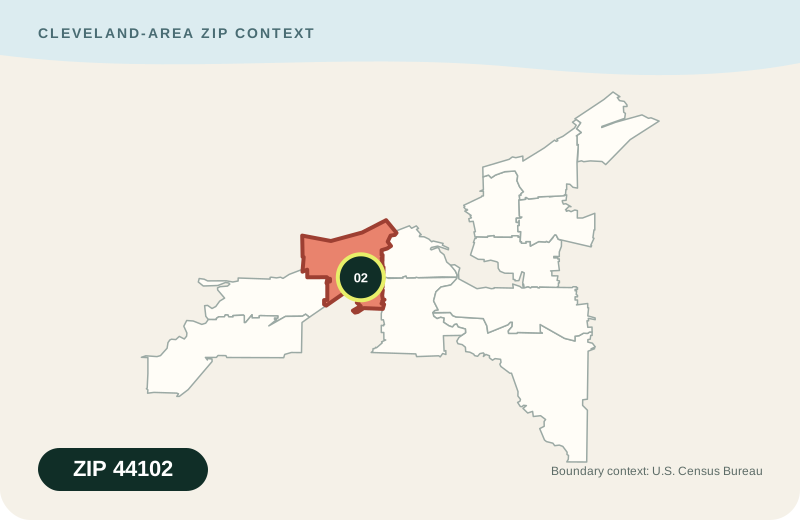
ZIP 44102 is highlighted using U.S. Census ZCTA boundary context. Call to confirm service availability for the property.
West Side homes in 44102
Edgewater, Cudell, and Detroit–Shoreway are all a little different
A century-old duplex near Cudell will not have the same trouble spots as a larger building closer to Edgewater. Tell us where you found the first sign: basement, porch, garage, kitchen, or somewhere else.
“Two new droppings showed up under the sink Tuesday morning” gives us a much better starting point than “we might have mice.”
Why problems show up in 44102
Close building connections can turn one exterior opening into several indoor clues
A property in 44102 may combine a masonry basement, framed upper floors, an enclosed porch or later addition, a detached or attached garage, and utility work completed at different times. Each transition creates a place where materials meet, repairs age differently, and small openings can connect to protected voids.
Rodents do not need every part of that route to be visible. A mouse may enter near a lower utility line and appear beneath a kitchen sink. A rat may use exterior cover, reach a garage edge, and then follow a wall or basement perimeter toward stored food. In a duplex or small apartment property, shared service lines can complicate which unit first reports activity.
The most useful starting point is not the ZIP code alone. It is the relationship between the specific building, the evidence inside, and the openings around the perimeter.
A 44102 scenario map
Three routes worth comparing before choosing rodent control
Route A
Garage corner to storage edge
A worn door corner provides access, stored seed or pet food provides a stop, and a wall opening carries activity toward the house.
Look for: droppings at the door line, torn packaging, rub marks, and evidence near the connecting wall.Route B
Foundation penetration to basement ceiling
A pipe or conduit opening leads behind framing, then movement becomes audible below a kitchen or bathroom.
Look for: lower-level droppings, disturbed dust, pipe gaps, and signs directly above.Route C
Porch or addition transition to wall void
Where two building sections meet, an exterior weakness can connect to concealed framing and an occupied room.
Look for: loose trim, old patches, interior scratching, and small debris emerging near baseboards.
What we look for in 44102 buildings
Start below, follow the services, then check the occupied room
This inspection sequence is especially useful when the first sign appears in a kitchen, first-floor wall, basement storage zone, or garage.
Masonry gaps, window areas, service entries, door edges, and the connection between foundation and framing can reveal the lower route.
02
Utilities that continue upward
Pipes, conduits, cable routes, and chases can connect the basement to kitchens, bathrooms, wall voids, and upper floors.
03
Garage and porch junctions
Moving doors, stored materials, attached walls, steps, and later construction create protected corners that deserve comparison.
04
Food, water, and waste conditions
Pet food, bird seed, pantry overflow, recycling, leaks, and exterior waste can explain why rodents stop along a particular route.
05
Shared or adjacent building pathways
In a multi-unit property, common basements and service lines may connect reports from areas that appear separate upstairs.
Signs it may be time to call
Fresh evidence along more than one connected edge
A single old dropping needs context. Several fresh signs from the garage, basement, and room above create a stronger reason to investigate the route promptly.
Larger droppings near a basement wall or garage threshold
Small droppings beneath kitchen or bathroom plumbing
New package damage in storage or pantry areas
Repeated scratching behind a first-floor wall after dark
Gnawing or staining around an earlier repair
A musky or localized odor that returns after surface cleaning
Identification should use droppings, gnawing, tracks, sounds, nesting, access size, and location together.
Rat concern
Lower-level travel with stronger physical signs
Substantial droppings, heavier gnawing, rub marks, exterior burrows, or activity concentrated near waste, garages, and basements can point toward rats. The route may place pressure on weak filler or loose screening.
Small openings that lead to kitchens and wall cavities
Fine package damage, small droppings, cabinet activity, and light wall sounds can indicate mice using plumbing or framing connections. Detail matters more than a dramatic exterior hole.
Proofing priorities should connect interior evidence with a specific building transition.
Rodent proofing and exclusion in 44102
Close routes in the order that supports active control
Do not seal a suspected primary opening blindly while rats or mice remain inside. First map activity, then rank high-confidence openings by evidence, accessibility, material, and building function.
Door corners need repairs that tolerate movement. Utility penetrations need details compatible with service access and the surrounding wall. Vents and drainage paths must remain functional. Major masonry, roofing, structural, or door-system defects may belong to another qualified trade.
After closure, continue watching the garage edge, basement perimeter, and room where signs first appeared. New utility work or seasonal door wear can change the envelope later.
Coordinate kitchen signs with basement and garage conditions. Protect children and pets from active-control areas and avoid moving every stored item before evidence is documented.
Landlords and managers
Compare tenant reports by room and floor, inspect shared basements and service lines, and keep a record of unit access, cleanup, and repair responsibility.
Small commercial decision-makers
Rear doors, stock, deliveries, waste, floor-level utilities, and adjoining residential space can create a different route than the public-facing room suggests.
44102 questions
Questions about lower-level and connected-space activity
Why do droppings appear in both a 44102 basement and first-floor kitchen?
A utility chase, wall cavity, stair enclosure, or plumbing route may connect the levels. Compare the vertical alignment and fresh evidence before assuming two separate problems.
Should I empty the garage before a rodent inspection?
Clear safe access where practical, but photograph droppings, gnawing, tracks, and disturbed storage before moving everything. The original pattern can help identify travel.
Can a porch addition create mouse access?
Any transition between building sections can create irregular framing or material gaps. Evidence inside and present condition determine whether it is an active route.
Does a basement rat always come through the foundation?
No. Garages, doors, shared spaces, additions, wall systems, and upper openings can also connect to a basement. Inspection should test the route.
When should a landlord inspect more than one unit?
When reports align along shared utilities, common walls, basements, or nearby rooms, a broader review may be more useful than treating one symptom in isolation.
Can proofing begin before all signs stop?
Some work may proceed, but primary closures should be coordinated with active control so rodents are not trapped or redirected.